
Eight bars, one audition, and a world the size of your stand The hall behind you didn't go anywhere.
You've prepared your audition excerpts for months, and in the practice room most of them go well most days. Audition day brings a warm-up room full of other people's scales, a hallway, and one chance at each excerpt before a voice says “thank you.” By the first note your attention has shrunk to eight bars and a music stand, your hands, breath and shoulders have tightened along with it, and the excerpt you know cold comes out sounding like somebody else's.
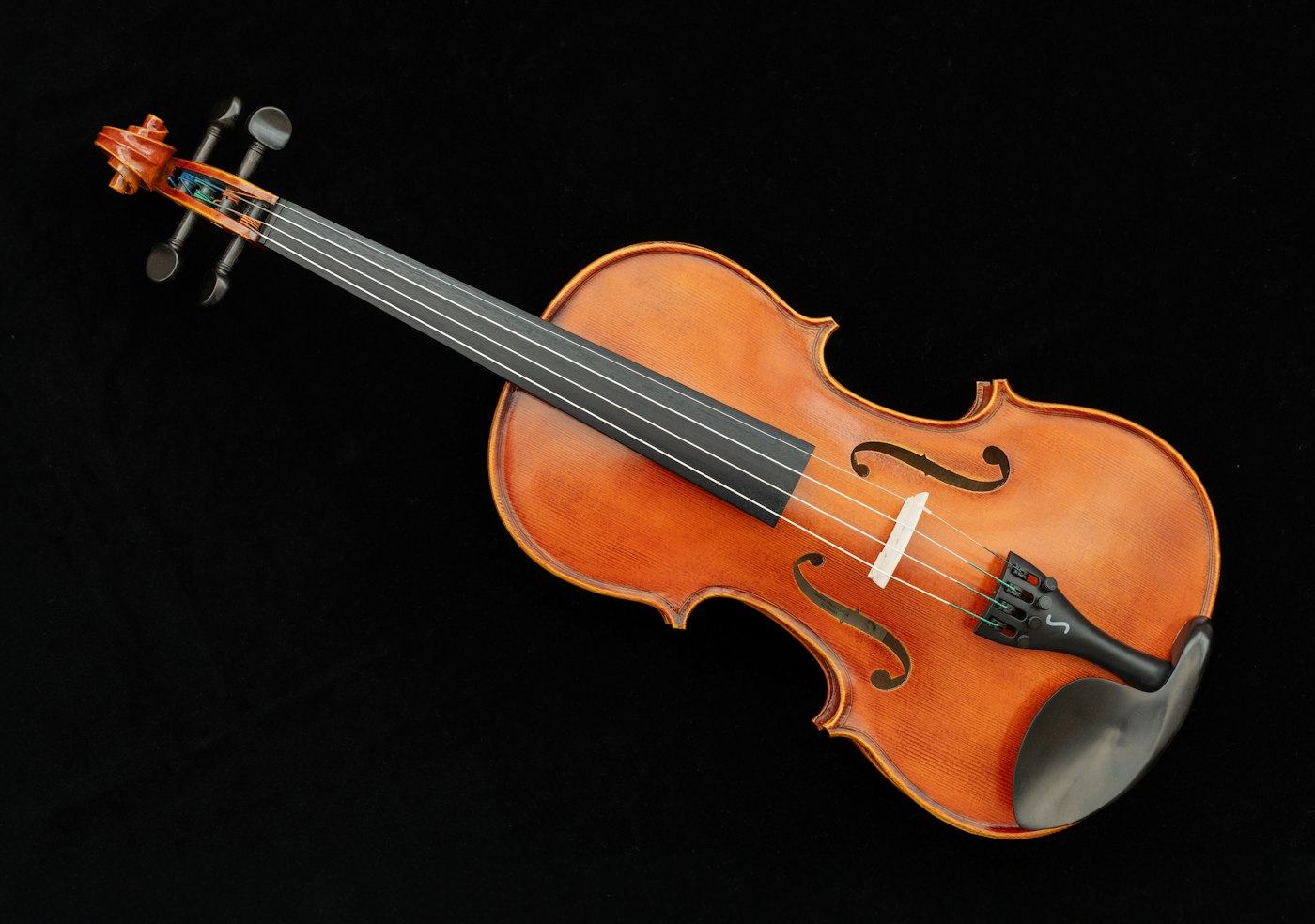
Photo: Arawark chen on Unsplash
The waiting, and then one chance
An audition compresses months of work into a few minutes. In the early rounds of an orchestra audition you play behind a tall screen that hides you from the committee, and you're known by a number instead of your name; at a conservatory audition the faculty panel sits a few feet away, after hearing the same concerto all day. Either way you play each excerpt once, the committee can stop you after a few bars, and nobody offers you the second take you'd allow yourself at home.
The waiting is its own ordeal. You warm up within earshot of someone playing your hardest excerpt faster than you'd take it, then you're called, you stand in a hallway, and a proctor walks you in. By then you've been tightening in anticipation for half an hour or more.
If you're a performance major, it feels like your whole future rides on eight bars; if you're a professional on your third audition of the season, it feels like a verdict on the career you already have. Both feelings make your hands tighter, but neither tells you how well you play. What stings is that you know you play better than this, and the gap shows up in the one room where it counts.
The moments the committee never sees
The first note
No conductor gives you a downbeat; you give it yourself. The silence after the proctor's cue belongs to you, and so does the choice of when to begin, which means you can take a few seconds there to let the tension settle.
The crack in bar three
A note cracks, the crack spikes your fear, the fear tightens your body, and the tightness produces the next mistake. From there it speeds up until you're barely holding the excerpt together, and that's the train wreck.
The “thank you”
A committee can stop you eight bars in because it has heard enough, good or bad. If you spend the next excerpt guessing which, you'll play it with your shoulders tight from the guessing.
Why your world shrinks in the audition room
Audition preparation is aimed at the excerpts: the notes, the tempos, the mock auditions for your studio-mates. Under pressure, your attention narrows onto those eight bars more than you realize, down to the stand, the fingerboard or the keys, and your body tightens right along with it. I sum it up in four words: small space, tight body.
The first tool I teach for this is “Open Focus,” which I also call spacious awareness. You keep your eyes and your attention exactly where the music needs them, and you add awareness of the space around you. Looking up at the committee or out at the hall doesn't help, because you've only moved the center of your attention somewhere else, and the tunnel vision moves with it.
The second tool is the “Magic Pause,” used right after a mistake. The cracked note cost you one note; the train wreck comes from the tension you add in the second after it. If you pause right there, for a moment so short that only you know it's there, you stop that tension from building, and your body's knowledge of the excerpt is free to guide you to the next note.
Beta blockers work on the physical symptoms. Adrenaline normally lands on receptors in your heart and hands, the drug blocks those receptors, and so your hands don't shake. What the drug doesn't change is the reason your body sounded the alarm in the first place, which is the part of you that experiences the audition room as dangerous. Your calm also depends on a pill you have to remember to take, instead of a skill you carry with you. The work I teach changes how you experience the room, so the steadiness is yours.
Across the sessions I've recorded, a single lesson typically takes a musician's own 0–10 rating from about a 7 to about a 4. Eight weeks gives you time to practice that drop until it stays with you all the way down the hallway and into the audition room.
Thread the needle, then play the excerpt
You'll need the first excerpt on your audition list and about two minutes, on any instrument or with your voice. You start with empty hands.
- Hold up your hands and pretend you’re threading a needle. Aim for that tiny eye and miss; try again. Is your sense of space getting bigger or smaller? Is your body getting tighter or freer?
- Keep your eyes on the needle and take in the space behind you, above you and out to either side, then remember the sky overhead and the ground under the building. Thread it again with all that space still there. Tighter or freer?
- Pick up your instrument, or stand ready to sing, and play the opening of the excerpt the way you would at the audition. Rate your tension from 0 (completely free) to 10 (stiff as a brick), and notice how small the room got.
- Play the same bars again with your eyes still on the music, letting the sound travel out into the whole room behind and around you. Rate it again.
If your sense of space keeps collapsing back to the music stand, you've found your edge, and that's useful: pause, take in the room again, and start the phrase over. Expect to miss a few more notes the first time, because you've changed a pattern your hands were used to; stay open through them and your hands will settle into the new way of playing quickly.
Want one of these every day for five days? Start the free 5-Day Tension Reset.
“I continually get compliments on how natural and easy I look up on stage now, and every time I hear this I know that much of the credit goes to his instruction in Alexander Technique.”
Learn to stay at ease in the audition room
Ease When It Counts is my eight-week program for the musician whose practice doesn't survive the trip to the audition room. We work on your actual audition excerpts: the walk in, the first note, the excerpt your attention shrinks around, and the thoughts that start the tension before you've played a note. Groups are small and run a few times a year, every place begins with a conversation, and if you have an audition coming up, bring the date to that conversation.
Who this isn't for
- Your audition is in three days. Eight weeks won't fit, so take the free 5-Day Tension Reset and thread the needle before each excerpt.
- You're still learning your audition excerpts. Settle the notes and tempos first, then come back.
- You want a promise that you'll win the job. Nobody can make you that promise, and I won't pretend to.
Your questions, answered.
Rather talk it through first? You can book a free 20-minute call with me.